SC State Group 2 Mechanical Contractor’s License #115583 NC License # 32974
Reliable HVAC Solutions
PREFERRED HEATING & AIR SERVICE
Got a high quote from a competitor?
We provide 100% Free Second Opinions on all HVAC replacements.
Proudly Serving North Myrtle Beach, Cherry Grove, Little River & The Grand Strand



Balance.
Comfort. Reliability. Innovation.
Built on Trust, Driven by Comfort
We believe that true comfort starts with trust. With years of expertise in HVAC solutions, we bring innovation, reliability, and personalized service to every home and business we serve. Your comfort isn't just our job — it's our passion.
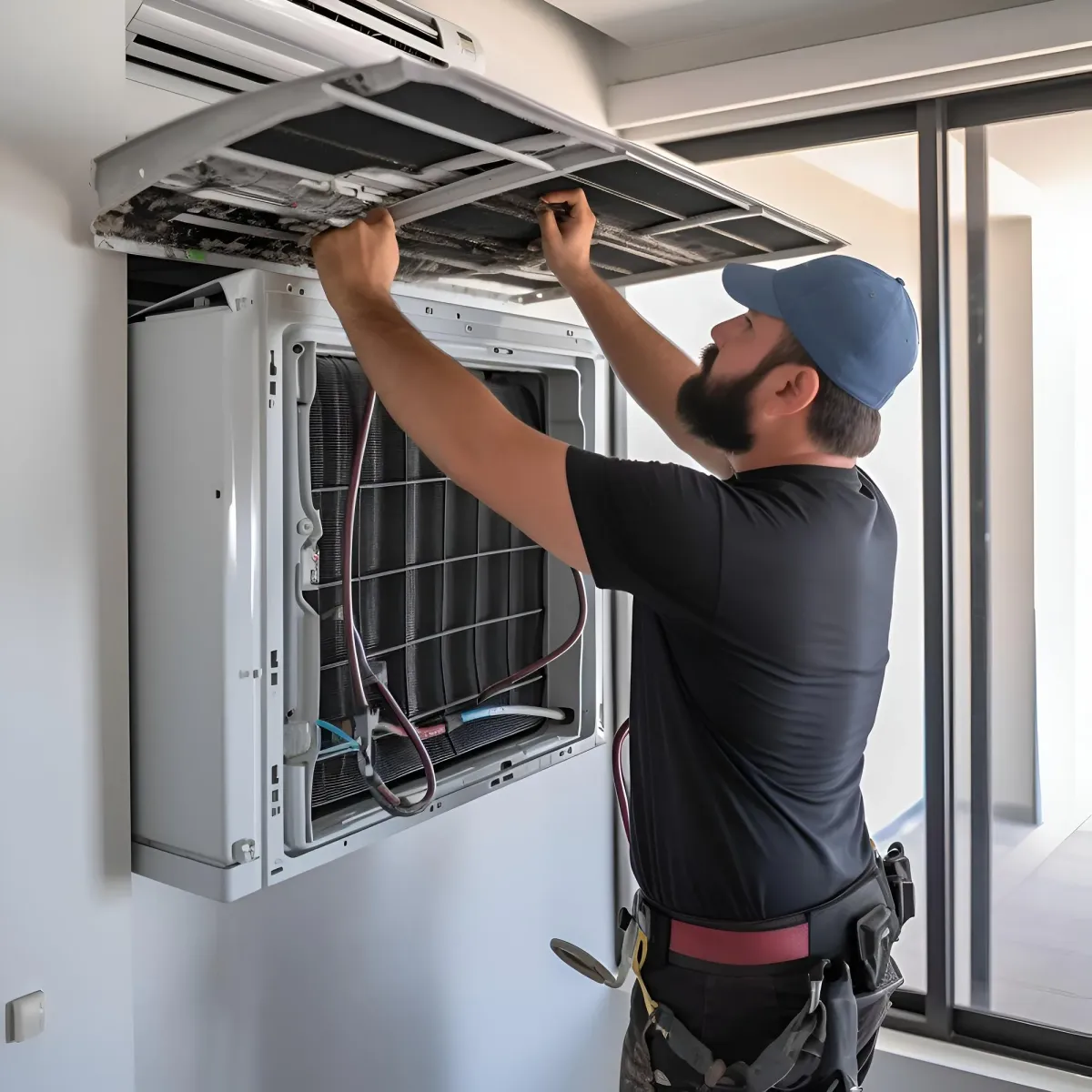
Your Coastal Comfort Starts Here
From relentless humidity to salt-heavy air and shifting temperatures, North Myrtle Beach homes demand more from their HVAC systems. Montgomery’s Coastal Cool specializes in solving the high-value issues other contractors overlook.
We Diagnose the Entire System — Not Just the Symptom
We Identify Hidden Coastal Damage
We Correct Airflow & Humidity Imbalances
We Design Solutions for Salt-Air Conditions
We Fix It Right the First Time
Our HVAC Services
From installations to maintenance and energy upgrades, we offer HVAC services that ensure ultimate comfort, reliability, and efficiency. Whether it's your home or business, we create environments where you can truly thrive.
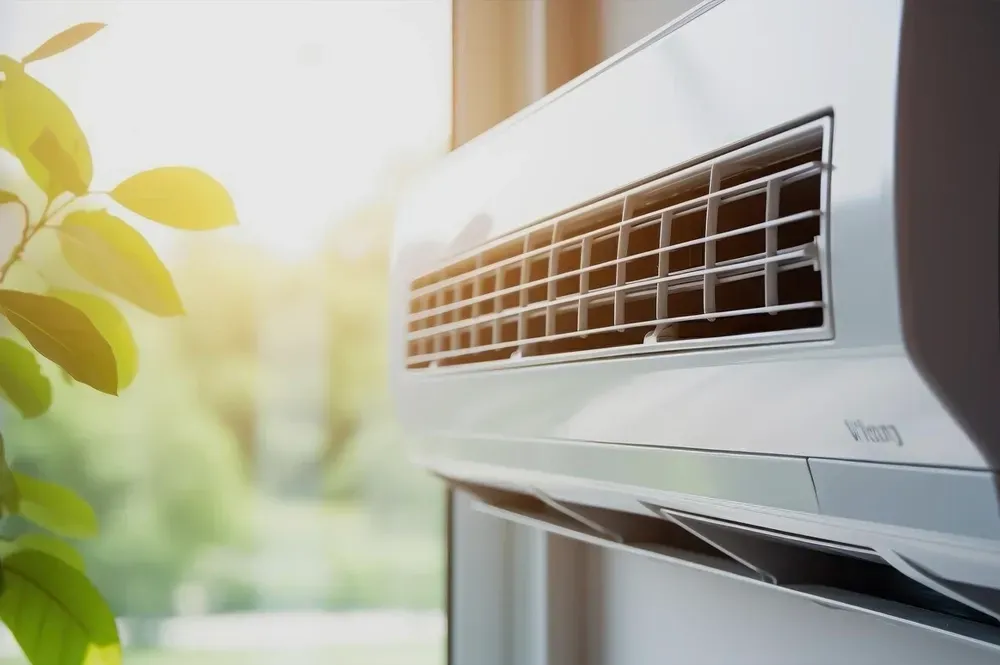
Cooling Services
Built for humidity-heavy, salt-air environments. We install and repair systems designed to survive coastal conditions.
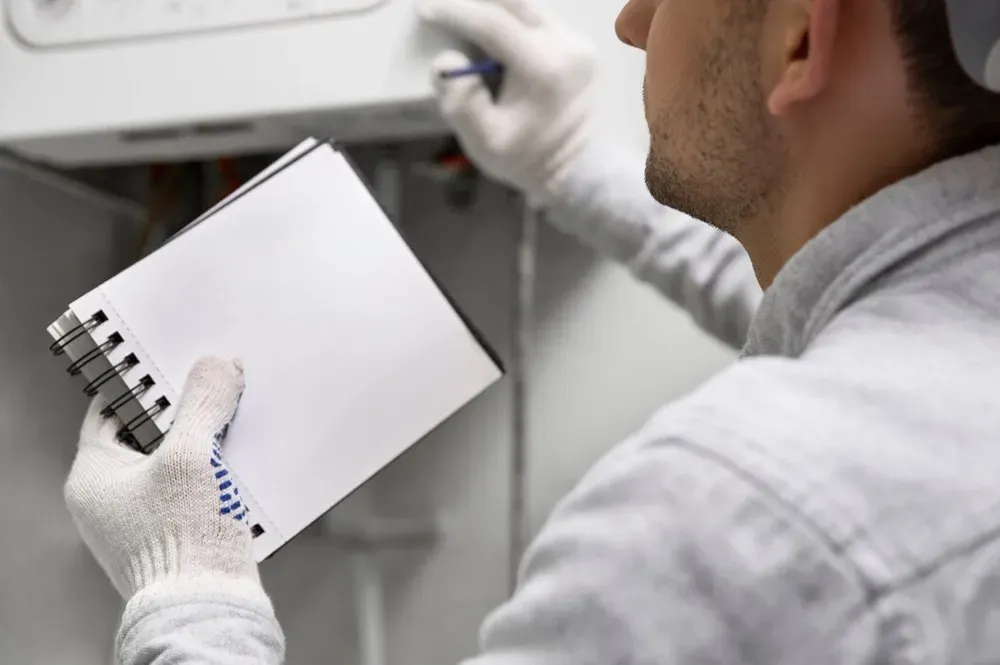
Heating Services
Efficient heating solutions designed for unpredictable coastal temperature swings.
Maintenance & Repair
Preventative service plans that protect your system from salt-air corrosion.
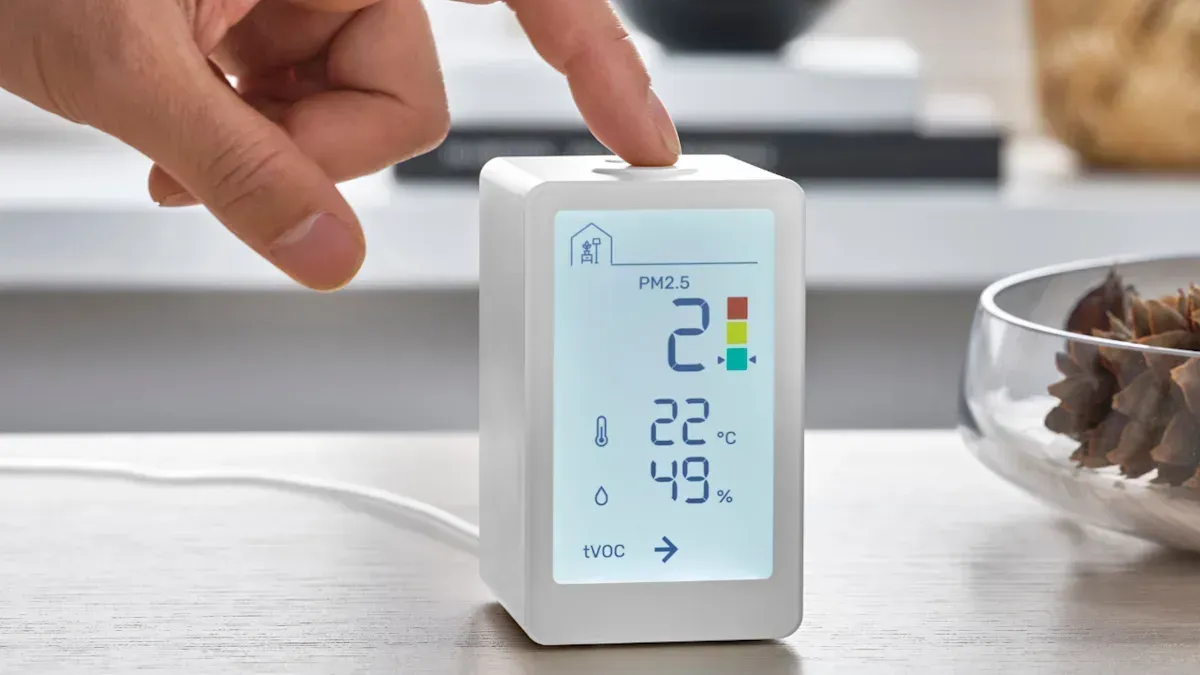
Indoor Air Quality
Humidity control, airflow balancing, and duct solutions that improve comfort and efficiency.
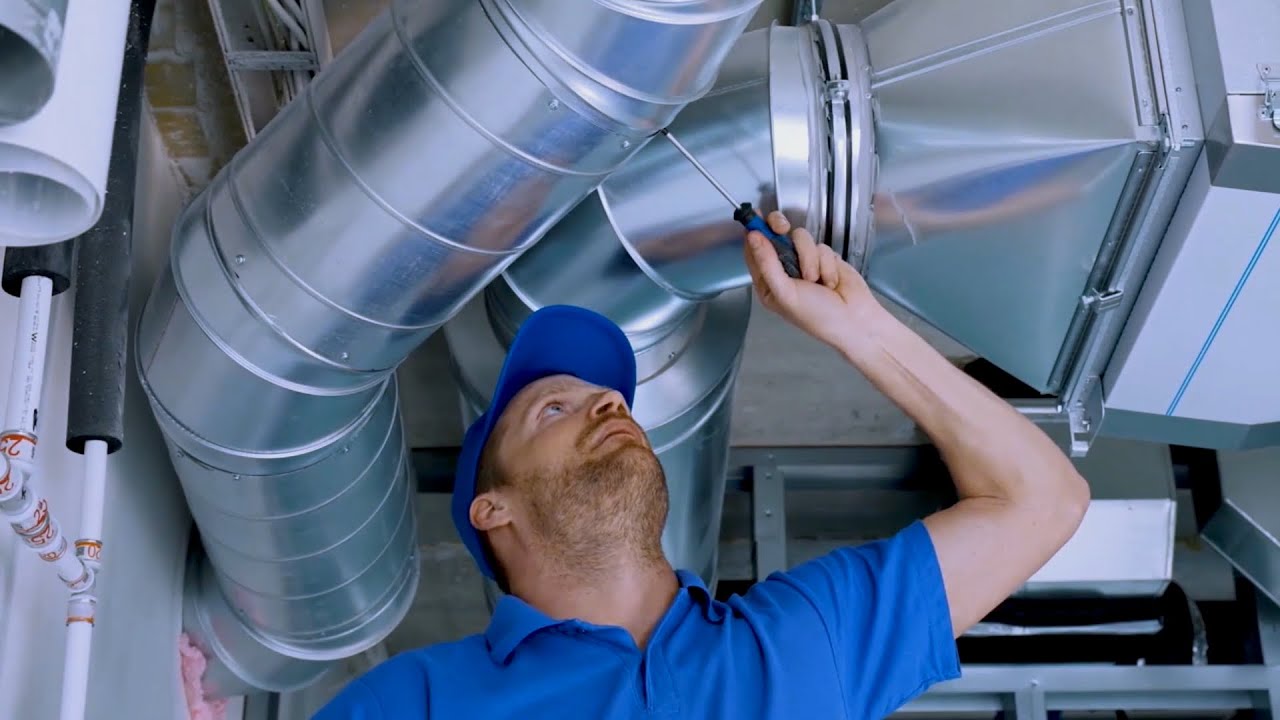
Ductwork & Ventilation
Remove dust, debris, and coastal buildup for healthier indoor air and better system performance.
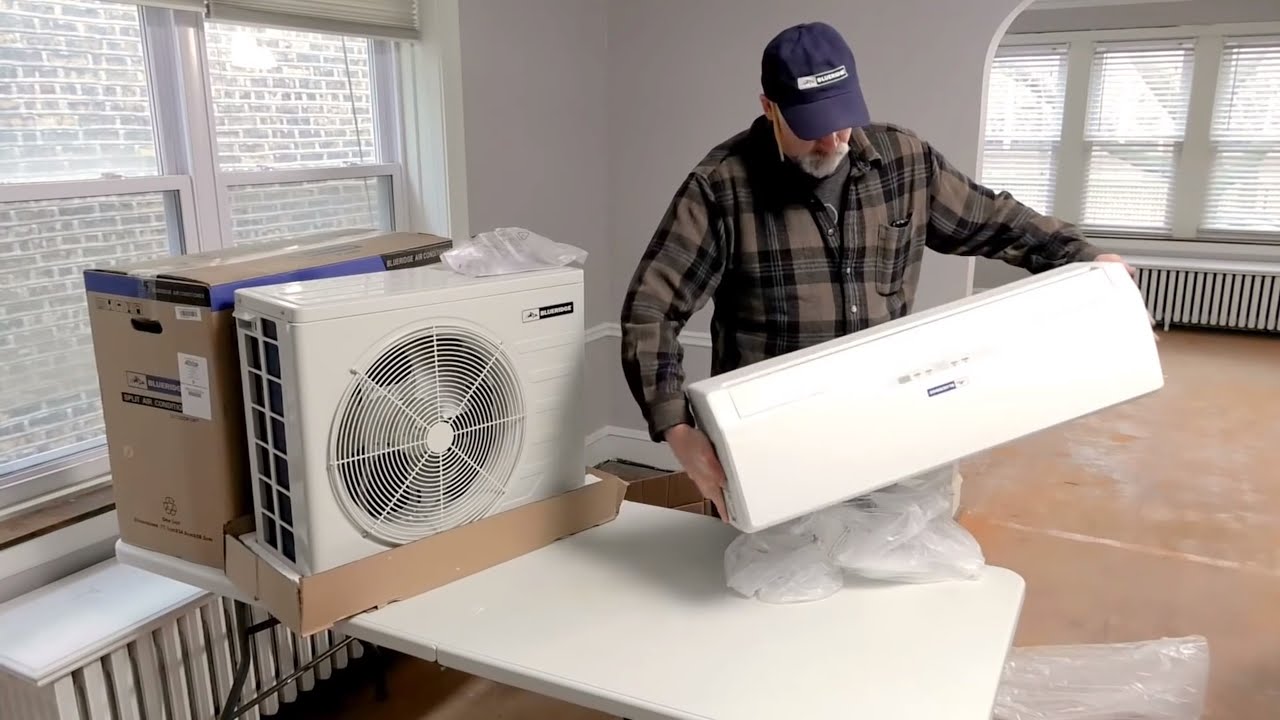
Ductless Mini Split Systems
Custom duct systems and high-efficiency upgrades that reduce energy waste.
Break Free From HVAC Guesswork and Into Real Coastal Comfort
In North Myrtle Beach, SC heating and cooling problems aren’t random — they’re coastal. Constant salt air corrosion, humidity overload, airflow imbalance, and improper installations create repeating failures that many contractors misdiagnose. Montgomery’s Coastal Cool specializes in coastal HVAC repair and preventive maintenance, decoding complex systems to stop constant breakdowns, curb rising energy bills, and eliminate uneven temperatures in seaside homes. Our coastal HVAC experts diagnose salt-damaged coils, moisture-related control failures, and ductwork issues unique to beachfront properties, then deliver durable, long-term solutions tailored to the local climate. If you live in North Myrtle Beach, SC or nearby, don’t accept temporary fixes — choose a team that understands how corrosion, high humidity, and breeze-driven pressure changes affect comfort and efficiency.
Montgomery’s Coastal Cool combines advanced diagnostics, coastal-grade parts, and installation practices designed for homes throughout North Myrtle Beach and the Grand Strand to extend equipment life and lower monthly bills. We prioritize energy-efficient strategies, balanced airflow, and corrosion-resistant components so your system performs reliably year-round, even with ocean salt and summer humidity. Schedule a coastal HVAC evaluation and get a clear action plan built for seaside living.
• Coastal HVAC diagnostics for salt air corrosion and humidity damage
• Corrosion-resistant repairs and coastal-grade component upgrades
• Airflow balancing and ductwork solutions to stop uneven temperatures
• Energy-efficiency improvements to reduce rising energy bills
• Preventive maintenance plans designed for North Myrtle Beach, SC coastal homes
For homeowners looking to improve energy efficiency, the U.S. Department of Energy’s guide on heat pumps provides useful guidance on sizing and selecting the right system. Our team serves all areas across the Grand Strand service area and can help you choose the most efficient option for your coastal home. HVAC maintenance plans from Montgomery’s Coastal Cool are designed to keep coastal systems performing year-round. AC Repair and HVAC Services in Myrtle Beach, SC | Montgomery’s Coastal Cool in Myrtle Beach, SC

10,000+
Coastal Homes Served

10,00+
Systems Installed

5-Star
Reviews & Ratings

24/7
Emergency Service Available
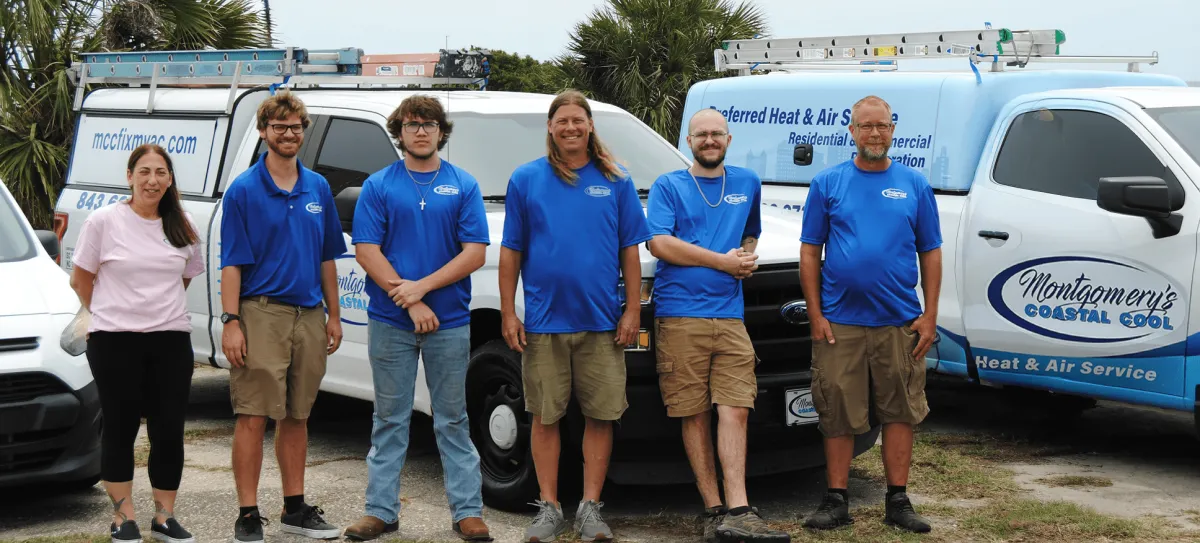
Meet Our Our Techs
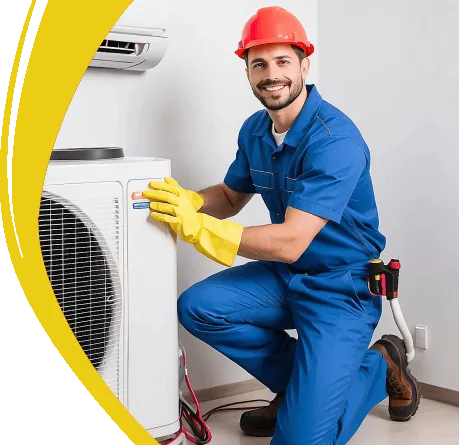
At Montgomery’s Coastal Cool we make sure that customer satisfaction is our number #1 priority. Along with this, our AC technicians are some of the most knowledgeable and trusted technicians in North Myrtle Beach. Our HVAC techs go through important continuing education on all of the comfort products that keep your home cool in the summer and warm in the winter. Our precise detail and free second opinions on residential ac repairs and replacements are what separates the Montgomery’s Coastal Cool team from the rest of the local air conditioning repair services in North Myrtle Beach.

Do you offer emergency HVAC service?
Yes! Air Time of South Carolina provides fast emergency service to keep your home warm and comfortable.
What areas do you service?
We proudly serve residential and commercial customers throughout the Carolinas.
Do you provide free estimates?
Yes, we offer free estimates on new system installations and replacements.
Are you licensed and insured?
Absolutely. Air Time of the Carolinas is fully licensed and insured.
How do I schedule service?
Call us at 843-294-2400 to schedule service.
Do you offer emergency HVAC service?
Yes! Air Time of the Carolinas offers fast and reliable emergency service to keep your home warm and comfortable when you need it most.
What areas do you service?
We proudly serve residential and commercial customers throughout the Carolinas. Call us to confirm service availability in your area.
Do you provide free estimates?
Yes, we provide free estimates on new installations and replacements.
Are you licensed and insured?
Absolutely. Air Time of the Carolinas is fully licensed and insured for your peace of mind.
How do I schedule service?
u can call us directly at 843-294-2400 to schedule service.
Our Work
Where Expertise Meets Excellence
Residential HVAC Services
Your home is your sanctuary, and maintaining a comfortable indoor climate is essential for your family's well-being. At Air Time of South Carolina, we understand that a sudden AC breakdown in the summer heat or a failing furnace in the winter can be stressful.
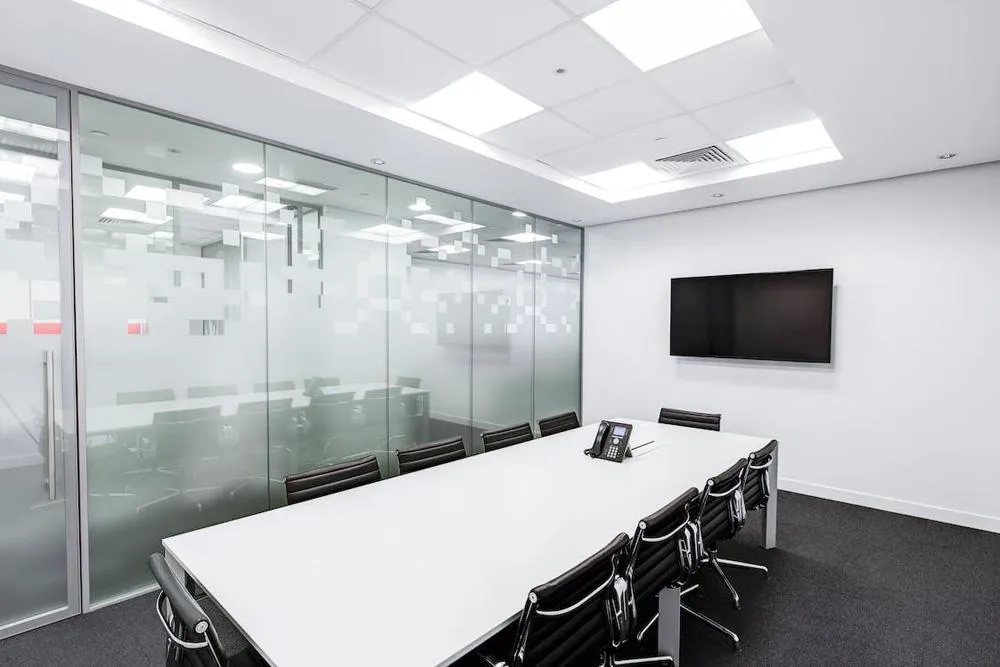
Commercial HVAC Services
At Air Time of South Carolina, we understand that maintaining a comfortable environment is essential to the success of your business.

Energy Efficient Upgrades
At Air Time of South Carolina, we understand that maintaining a comfortable environment is essential to the success of your business.
SCHEDULE YOUR COMMERCIAL HVAC SERVICE TODAY
Don't let HVAC issues slow down your business. Trust the experts at Air Time of South Carolina to deliver the reliable, professional service your company deserves. Contact us today to schedule a consultation or request a free estimate for your commercial property.
We’re committed to delivering reliable, energy-efficient HVAC solutions for every space. With a focus on quality and customer satisfaction, we ensure your comfort is always our top priority.
Quick links
Services
© 2026 Montgomery’s Coastal Cool
Design & Develop by Executive Marketing Services