Don't Miss Our Limited-Time HVAC Savings for North Myrtle Beach Homeowners
Heating, ventilation, and air conditioning (HVAC) systems are among the largest energy consumers in any home. In many households, HVAC usage accounts for nearly half of total electricity consumption—especially during extreme summer or winter months.
Because of this, even small inefficiencies in your HVAC system can lead to noticeably higher energy bills. What many homeowners don’t realize is that a large portion of this waste comes from lack of regular maintenance, not system age alone.
With consistent HVAC maintenance, it’s possible to improve efficiency significantly—sometimes reducing energy consumption by 20% to 30% or more, depending on system condition and usage patterns.
In this blog, we’ll break down exactly how HVAC maintenance reduces energy bills, what tasks make the biggest difference, and how homeowners can keep systems running efficiently year-round.
Why HVAC Systems Consume So Much Energy
Your HVAC system works by moving heat in or out of your home. To do this efficiently, every component must function properly—airflow, refrigerant levels, coils, motors, and controls all play a role.
When one part becomes dirty, worn, or misaligned, the system compensates by working harder. This leads to:
- Longer running cycles
- Higher electricity usage
- Reduced cooling or heating efficiency
- Increased wear on components
Over time, this inefficiency compounds into significantly higher monthly bills.
How Regular HVAC Maintenance Reduces Energy Bills
Let’s look at the major ways maintenance directly impacts energy savings.
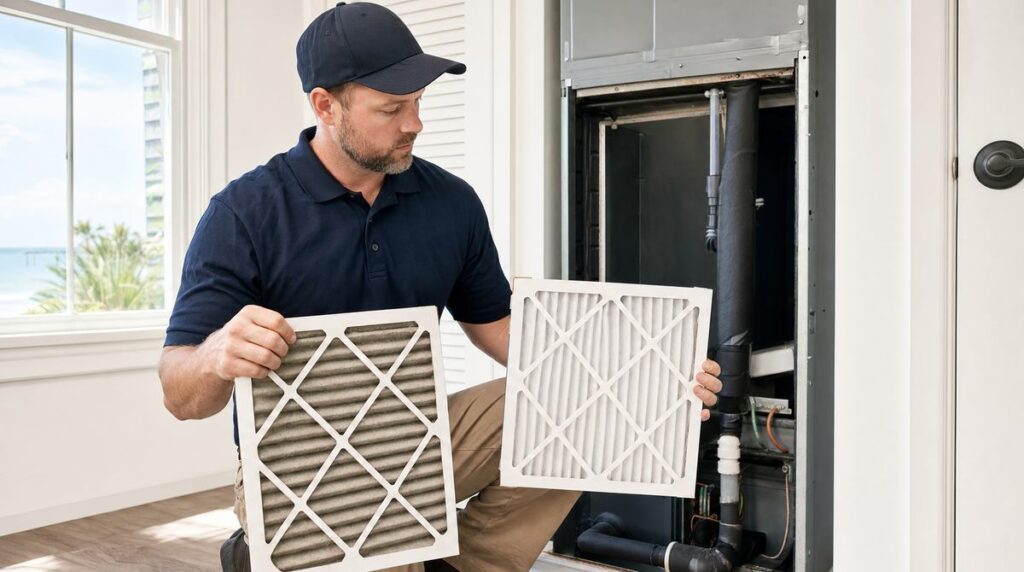
1. Clean Air Filters Improve Airflow Efficiency
One of the simplest yet most powerful maintenance tasks is replacing or cleaning air filters.
How it saves energy:
When filters are clogged with dust and debris, airflow is restricted. This forces your HVAC system to:
- Run longer cycles
- Use more power to push air
- Strain the blower motor
Impact on energy bills:
A clean filter can improve airflow efficiency by 5% to 15%, depending on system condition.
Maintenance tip:
- Replace filters every 30–60 days during peak usage
- Use high-efficiency filters if recommended for your system
- Check filters monthly in dusty environments
2. Clean Coils Improve Heat Transfer Efficiency
Your HVAC system relies on evaporator and condenser coils to transfer heat. When these coils become dirty, the system struggles to cool or heat effectively.
How it saves energy:
Clean coils allow proper heat exchange, which means:
- Faster cooling and heating
- Shorter run times
- Less strain on the compressor
Impact on energy bills:
Dirty coils can increase energy consumption by 15% to 25%, while clean coils restore optimal efficiency.
Maintenance tip:
- Schedule professional coil cleaning at least once a year
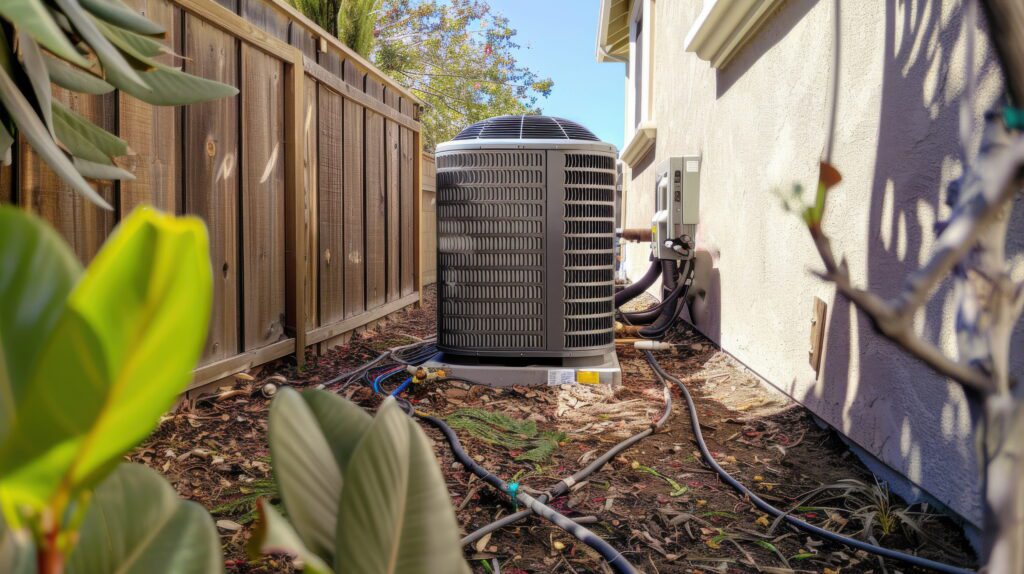
- Keep outdoor condenser unit free of debris
- Avoid DIY coil damage with improper cleaning tools
3. Proper Refrigerant Levels Ensure Optimal Performance
Refrigerant is essential for heat transfer in air conditioning systems. Low or leaking refrigerant reduces cooling capacity.
How it saves energy:
When refrigerant levels are correct:
- The system cools faster
- Compressor doesn’t overwork
- Cooling cycles become shorter
Impact on energy bills:
Incorrect refrigerant levels can increase energy usage by up to 20% or more.
Maintenance tip:
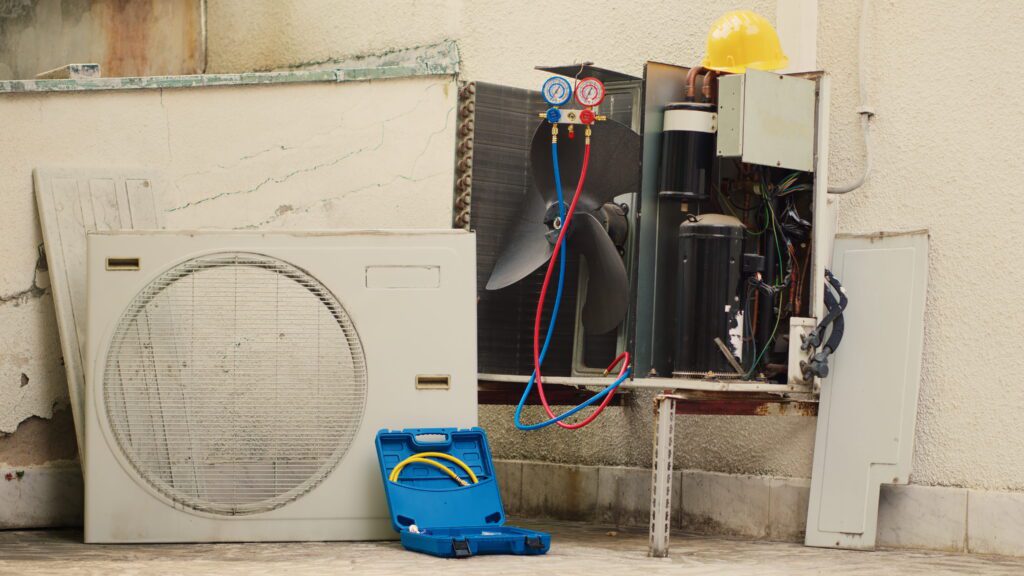
- Only licensed technicians should handle refrigerant
- Fix leaks instead of repeatedly refilling gas
- Include refrigerant checks in annual servicing
4. Lubricated and Clean Mechanical Parts Reduce Friction Loss
HVAC systems contain moving parts like fans, motors, and bearings. Over time, these parts accumulate dust and friction increases.
How it saves energy:
Proper lubrication and cleaning:
- Reduces motor strain
- Improves fan efficiency
- Lowers electricity consumption
Impact on energy bills:
Well-maintained motors can reduce energy use by 5% to 10%.
Maintenance tip:
- Include motor inspection in annual service
- Replace worn belts or bearings early
- Keep internal components dust-free
5. Thermostat Calibration Prevents Overuse
A poorly calibrated thermostat can cause your HVAC system to run longer than necessary.
How it saves energy:
Accurate thermostats:
- Maintain consistent temperature
- Prevent unnecessary cycling
- Improve comfort with less energy use
Impact on energy bills:
Smart thermostat usage and calibration can reduce energy consumption by 10% or more.
Maintenance tip:
- Upgrade to a programmable or smart thermostat
- Place thermostat away from heat sources
- Check calibration annually
6. Duct Cleaning and Sealing Prevent Energy Loss
Leaky or dirty ducts are one of the most overlooked causes of energy waste.
How it saves energy:
Proper duct maintenance ensures:
- Air is delivered efficiently to all rooms
- No conditioned air is lost in walls or ceilings
- Balanced airflow throughout the home
Impact on energy bills:
Leaky ducts can waste 20%–30% of conditioned air.
Maintenance tip:
- Inspect ducts for leaks or gaps
- Seal ducts using proper HVAC sealant
- Clean ducts every few years
7. Efficient Airflow Reduces System Strain
Blocked vents or poor airflow design can force your HVAC system to work harder than necessary.
How it saves energy:
Good airflow means:
- Even temperature distribution
- Shorter operating cycles
- Less strain on compressor and blower
Impact on energy bills:
Optimized airflow can reduce energy use by 5% to 15%.
Maintenance tip:
- Keep vents open and unobstructed
- Avoid placing furniture in front of vents
- Consider zoning for larger homes
8. Preventive Repairs Avoid Energy Waste
Small mechanical issues often go unnoticed but can significantly increase energy consumption.
Examples include:
- Worn-out capacitors
- Faulty sensors
- Loose wiring
- Weak blower motors
How it saves energy:
Fixing these early ensures:
- System runs at designed efficiency
- No unnecessary energy loss
- Reduced risk of major breakdowns
Impact on energy bills:
Preventive repairs can improve efficiency by 10%–20%.
Maintenance tip:
- Schedule seasonal HVAC inspections
- Address unusual noises or performance changes immediately
9. Seasonal Tune-Ups Optimize System Performance
Professional HVAC tune-ups include a complete system check and optimization.
Typical tune-up includes:
- Cleaning coils and filters
- Checking refrigerant levels
- Inspecting electrical connections
- Testing system performance
How it saves energy:
A tuned system operates closer to manufacturer specifications, ensuring:
- Maximum efficiency
- Reduced energy waste
- Better cooling and heating output
Impact on energy bills:
Seasonal tune-ups can contribute to 10%–25% energy savings.
10. Extended Equipment Life Reduces Long-Term Costs
While not a direct monthly energy saving, maintenance improves system lifespan.
How it helps:
- Delays costly replacements
- Maintains efficiency over time
- Reduces frequency of major repairs
A neglected HVAC system becomes less efficient each year, gradually increasing energy costs.
Realistic Energy Savings Breakdown
While results vary depending on system condition, here’s a general breakdown of where savings come from:
- Clean filters: 5%–15%
- Clean coils: 15%–25%
- Proper refrigerant: up to 20%
- Duct sealing: 20%–30% loss prevention
- Regular tune-ups: 10%–25%
When combined, these improvements can lead to total savings of 20% to 30% or more in many homes.
How Often Should HVAC Maintenance Be Done?
To maximize efficiency, follow this schedule:
Monthly:
- Check and replace air filters
- Inspect vents and airflow
Seasonally:
- Professional inspection before summer and winter
- Thermostat checks
Annually:
- Full HVAC tune-up
- Coil cleaning
- Refrigerant inspection
- Duct inspection (as needed)
Signs Your HVAC System Is Wasting Energy
Watch for these warning signs:
- Sudden increase in electricity bills
- Uneven room temperatures
- System running constantly
- Weak airflow from vents
- Strange noises during operation
If you notice these issues, maintenance is likely overdue.
Final Thoughts
Regular HVAC maintenance is one of the most effective ways to reduce energy bills without sacrificing comfort. Instead of waiting for breakdowns or inefficiency to appear, proactive care keeps your system running smoothly, efficiently, and reliably.
By investing in routine inspections, cleaning, and minor repairs, homeowners can often achieve 20% to 30% energy savings, while also extending system lifespan and improving indoor comfort.
In the long run, HVAC maintenance is not an expense—it’s a cost-saving strategy that pays for itself many times over.