Don't Miss Our Limited-Time HVAC Savings for North Myrtle Beach Homeowners
When temperatures rise in peak summer, your air conditioner becomes one of the most important systems in your home. It’s expected to run longer, work harder, and maintain consistent cooling even during extreme heat. But this is also the time when AC systems are most likely to break down.
If your AC keeps failing during the hottest days, it’s not just bad luck—it’s usually a sign of underlying issues that have been building up over time. The good news is that most of these problems are preventable with proper care, maintenance, and timely attention.
In this detailed guide, we’ll break down the most common reasons AC units break down in peak summer, how to recognize early warning signs, and what you can do to prevent costly repairs and sudden failures.
Why AC Units Struggle During Peak Summer
Air conditioners are designed to handle high temperatures, but they have limits. During peak summer, the system operates under continuous stress due to:
- Longer running hours
- Higher outdoor temperatures
- Increased indoor cooling demand
- Reduced recovery time between cycles
This constant workload exposes any hidden problems in the system. A small issue in mild weather can quickly turn into a full breakdown when the system is pushed to its limit.
1. Dirty or Clogged Air Filters
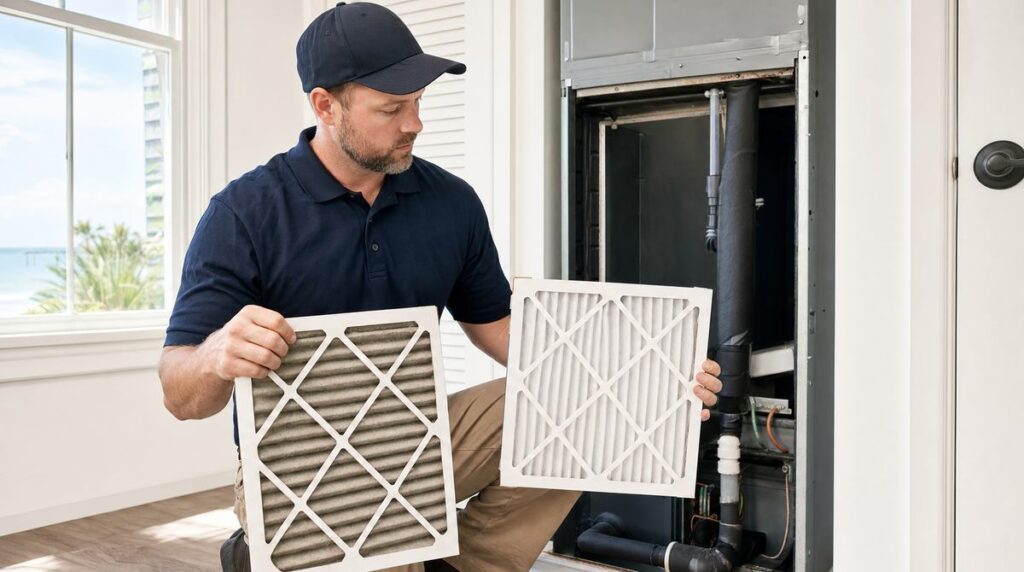
One of the most common reasons AC systems fail in summer is a dirty air filter.
How it causes breakdowns:
Air filters trap dust, dirt, pollen, and debris. Over time, they become clogged, restricting airflow. When airflow is reduced:
- The AC has to work harder
- The evaporator coil can freeze
- Cooling efficiency drops
- System components overheat
Warning signs:
- Weak airflow from vents
- AC running longer than usual
- Higher electricity bills
- Uneven cooling in rooms
Prevention:
- Replace or clean filters every 30–60 days during peak summer
- Use high-quality filters suitable for your system
- Check filters more often if you have pets or live in a dusty area
2. Refrigerant Leaks or Low Refrigerant Levels
Refrigerant is the substance responsible for cooling the air inside your home. If levels are low or there’s a leak, your AC cannot cool effectively.
How it causes breakdowns:
- Reduced cooling performance
- Compressor overwork (leading to failure)
- Ice formation on coils
- System shutdown in extreme cases
Warning signs:
- AC blowing warm or mildly cool air
- Hissing or bubbling sounds
- Ice buildup on refrigerant lines
- Long cooling cycles
Prevention:
- Schedule annual AC inspections
- Fix leaks immediately instead of just refilling refrigerant
- Hire a licensed HVAC technician for refrigerant handling
3. Dirty Evaporator and Condenser Coils
Your AC has two key coils: evaporator coils (inside) and condenser coils (outside). Both are responsible for heat transfer.
How it causes breakdowns:
When coils are dirty:
- Heat transfer becomes inefficient
- AC loses cooling capacity
- Compressor works harder and overheats
- System may shut down completely
Warning signs:
- Reduced cooling even when AC runs continuously
- System overheating
- Increased energy consumption
- Ice formation on coils
Prevention:
- Schedule professional coil cleaning once a year
- Keep outdoor unit clear of dust, leaves, and debris
- Ensure proper airflow around the outdoor condenser unit
4. Overworked Compressor
The compressor is the heart of your AC system. It circulates refrigerant and enables cooling. During peak summer, it often becomes overworked.
How it causes breakdowns:
- Continuous running without rest
- Overheating due to dirty coils or low refrigerant
- Electrical strain from voltage fluctuations
Once the compressor fails, repairs are usually expensive and sometimes require full replacement.
Warning signs:
- Loud clicking or humming noises
- AC struggling to start
- Frequent tripping of circuit breakers
- Reduced cooling performance
Prevention:
- Maintain clean filters and coils
- Avoid setting thermostat too low for long periods
- Install a voltage stabilizer if your area has power fluctuations
5. Thermostat Issues
Sometimes the problem isn’t the AC system itself but the thermostat controlling it.
How it causes breakdowns:
- Incorrect temperature readings
- Poor communication with AC system
- Continuous cycling on/off
- System running longer than needed
Warning signs:
- Inconsistent room temperatures
- AC not turning off automatically
- Sudden temperature swings
Prevention:
- Replace old thermostats with digital or smart thermostats
- Place thermostat away from heat sources and sunlight
- Calibrate settings periodically
6. Electrical Problems and Faulty Wiring
Electrical issues are a major cause of sudden AC breakdowns, especially during heavy summer usage.
How it causes breakdowns:
- Short circuits
- Capacitor failure
- Tripped breakers
- Compressor startup failure
Warning signs:
- AC not turning on
- Burning smell near indoor unit
- Frequent breaker trips
- Flickering power in AC unit
Prevention:
- Schedule electrical inspections before summer
- Replace worn-out wiring and capacitors
- Ensure proper grounding of the system
- Avoid overloading circuits
7. Poor Maintenance Over Time
One of the biggest hidden causes of AC failure is simply neglect.
When maintenance is ignored, small issues accumulate:
- Dust buildup
- Weak airflow
- Loose electrical connections
- Reduced efficiency
Eventually, the system breaks down when demand is highest.
Prevention:
- Schedule professional servicing at least once a year
- Clean filters and vents regularly
- Check for unusual noises or performance drops early
- Don’t ignore small repairs
8. Blocked or Dirty Outdoor Unit
The outdoor condenser unit plays a crucial role in releasing heat from your home.
How it causes breakdowns:
- Restricted heat release
- Overheating system
- Reduced cooling efficiency
- Compressor strain
Warning signs:
- AC running continuously without cooling
- Hot air around outdoor unit
- Visible dirt or blockage on fins
Prevention:
- Keep at least 2 feet of clearance around outdoor unit
- Remove leaves, dust, and debris regularly
- Hose down gently during maintenance (if safe to do so)
9. Undersized or Aging AC System
Sometimes breakdowns happen because the system is not designed for current cooling needs.
How it causes breakdowns:
- Continuous overload
- Frequent cycling
- Reduced cooling efficiency
- Component fatigue
Older systems also lose efficiency over time, making them more prone to failure during peak summer.
Prevention:
- Upgrade if your system is over 10–15 years old
- Ensure proper sizing during installation
- Consult HVAC professionals before replacing units
10. Lack of Airflow Balance in the Home
Even if your AC is working fine, poor airflow in your home can create pressure on the system.
Causes:
- Closed or blocked vents
- Poor duct design
- Leaky ductwork
Effects:
- Uneven cooling
- AC running longer cycles
- Increased wear on system
Prevention:
- Keep vents open and unobstructed
- Inspect ductwork for leaks
- Use zoning systems if needed for larger homes
How to Prevent AC Breakdowns in Peak Summer
Now that we understand the causes, here’s a simple prevention checklist:
Regular Maintenance
- Annual professional servicing
- Coil cleaning
- Refrigerant level checks
Monthly Checks
- Clean or replace filters
- Inspect airflow from vents
- Check thermostat settings
Seasonal Preparation
- Service AC before summer begins
- Clear outdoor unit surroundings
- Test system before extreme heat arrives
Smart Usage Habits
- Avoid extreme low thermostat settings
- Use ceiling fans to support cooling
- Keep doors and windows closed during operation
Final Thoughts
AC breakdowns in peak summer are frustrating, uncomfortable, and often expensive—but they are rarely sudden or unavoidable. In most cases, they are the result of small issues that were ignored over time.
By maintaining your system regularly, keeping components clean, and addressing early warning signs, you can significantly reduce the risk of failure during the hottest days of the year.
A well-maintained AC system doesn’t just prevent breakdowns—it also improves energy efficiency, extends equipment life, and keeps your home consistently comfortable all summer long.